Ask ten people whether AI will take their job and you will hear ten strong opinions. Headlines swing between total doom and total denial. But the data tells a more specific story. Research from OpenAI, Anthropic, and major consulting firms does not show mass unemployment from AI. It shows a broad shift in which tasks get automated. If you understand the difference between task exposure and job replacement, you can plan a practical response. Before we get into the numbers, it helps to know what an AI agent is. Agents are the systems that carry out multi-step work, not just answer single prompts.
OpenAI published a widely cited paper showing that about 80 percent of U.S. workers could see at least 10 percent of their work tasks affected by large language models. About 19 percent could see half of their tasks affected. Those numbers sound scary until you notice the word tasks. A person does many tasks each day. AI changes some tasks and leaves others alone. The research is not saying 80 percent of people will lose their jobs. It is saying the tools can now handle parts of many jobs. OpenAI and Anthropic both track this distinction carefully.
Anthropic’s Economic Index looked at actual use of its Claude models across millions of real conversations. The data found that 57 percent of AI use at work involved augmentation, meaning a human working alongside the model. About 43 percent involved automation. That is a useful clue. Workers are using AI as a helper more than as a replacement. The rest of this article breaks down which jobs are most exposed, which are safest, and how workers are adapting. The goal is not to downplay risk. It is to give you an evidence-based map.
| Job Category | AI Exposure | Why It Is Exposed or Safe |
|---|---|---|
| Data entry clerks | High | Repetitive digital rules and text handling |
| Customer support agents | Medium-High | Standard queries and workflows are easy to automate |
| Copywriters and translators | Medium | AI writes and translates fast but still needs fact-checking |
| Electricians and plumbers | Low | Unpredictable physical environments |
| Nurses and therapists | Low | Hands-on care, empathy, and in-person trust |
What Does “Exposure” Actually Mean in AI Job Research?
Exposure is the term researchers use to describe how much a job’s tasks overlap with AI capabilities. It does not mean automation. It means a model could reduce the time required for a task. For example, an accountant might spend hours pulling figures from a spreadsheet. An AI agent can produce a draft in seconds. The accountant is still needed to check the numbers, talk to the client, and make judgment calls. The job is exposed but not replaced. This distinction matters because many early AI job studies were misunderstood. When the headlines said AI will affect 80 percent of jobs, people heard AI will eliminate 80 percent of jobs. The two statements are not the same.
Researchers measure exposure using frameworks like O*NET, a U.S. database of job tasks. They ask whether a language model can perform or support each task. Some jobs show high exposure because they involve writing, summarizing, coding, or categorizing. Other jobs show low exposure because they require physical contact, moving through unpredictable spaces, or high-stakes human trust. To understand how these tools differ, it helps to see how AI agents work. Agents do not just answer questions. They can plan, use tools, and execute a series of steps. That is why their effect on task exposure is wider than a simple chatbot.
Consulting firms add another layer. McKinsey has estimated that by 2030, around 30 percent of current hours worked in the U.S. could be automated. That is not a layoff forecast. It is a task automation forecast. Some of those hours will disappear. Others will be redesigned. Many companies will choose to reassign workers rather than fire them. The key finding across studies is that exposure is uneven. It concentrates in certain task types, not evenly across all jobs.
Which Jobs Are Most Exposed to AI Right Now?

Jobs with the highest exposure usually share a pattern. They involve routine digital tasks, clear inputs and outputs, and limited physical presence. Data entry is the classic example. AI can read a form and type the values into a database faster than a person. Customer support also ranks high. Standard questions about returns, shipping, or passwords follow scripts. An AI agent can handle many of those conversations without a human. Telemarketing and some scheduling roles face similar pressure. These jobs are not gone overnight, but the task mix is changing.
OpenAI’s analysis found that jobs like interpreters, writers, mathematicians, tax preparers, and web designers had high exposure. That does not mean all writers become unemployed. It means AI can produce a draft, translate text, or generate simple code. A human often still reviews the output for accuracy and tone. Anthropic’s data showed heavy use in software development, technical writing, and business analysis. In those fields, workers use AI to generate ideas, debug code, or summarize long documents. The automation share is lower than the augmentation share. That is a critical nuance.
Some job categories with medium exposure include legal assistants, paralegals, and market researchers. They search documents, compare policies, and summarize findings. AI agents can help with that. But the final call still sits with a licensed lawyer or a human manager. The most vulnerable role is not the one with AI exposure. It is the one with no human check, no relationship, and no physical component. For a plain-English look at how agents compare with basic chatbots, see AI agent vs chatbot.
Which Jobs Are the Safest from AI Replacement?
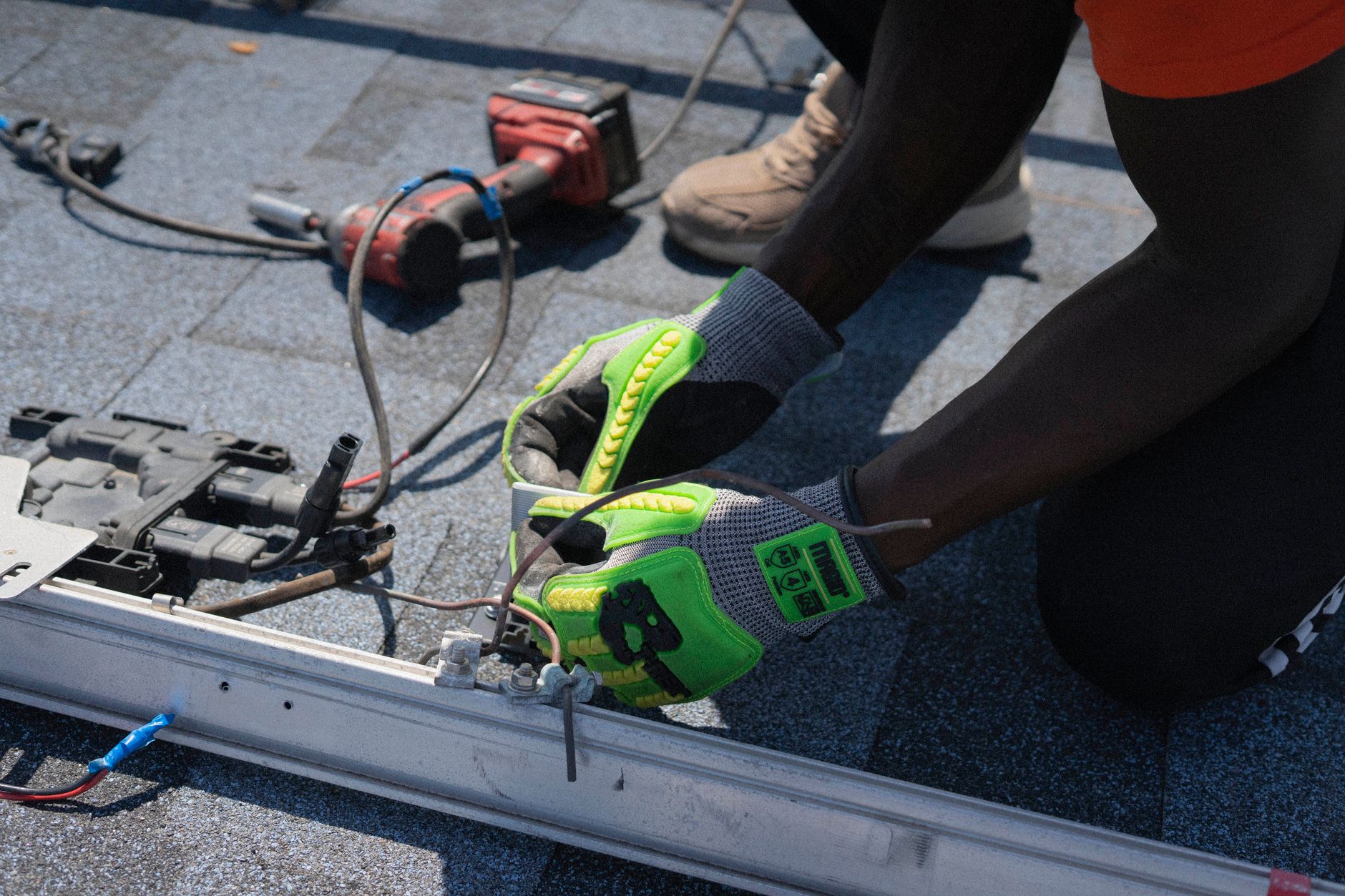
The safest jobs do not look like data work. They involve physical skills, unpredictable environments, or direct human care. Electricians, plumbers, carpenters, and HVAC technicians work in messy real-world spaces. Each home or building is different. AI can help schedule jobs or order parts. It cannot rewire a house. Nurses and home health aides provide hands-on care. They read subtle signals from patients. They respond to sudden changes. That requires empathy, touch, and real-time judgment. AI may support charting and medication reminders, but it does not replace the person.
Therapists, counselors, and social workers also fall into the safer group. The work depends on trust and emotional presence. A chatbot can ask questions, but most clients need a human they believe understands them. Teachers occupy a more mixed position. AI can help grade quizzes and plan lessons. But classroom management and motivating students remain human skills. For more on that balance, read AI agents for teachers.
Skilled trades stand out for another reason. Demand is often strong and training paths are clear. Electricians and plumbers cannot be offshored. Their work requires local presence and hands-on problem solving. The same is true for chefs and line cooks. A recipe can be automated, but a busy kitchen with fresh ingredients and changing orders is harder. The safest jobs combine physical presence, social intelligence, and adaptability. They are not immune to AI. They just face a lower share of automatable tasks.
How Are Workers Actually Adapting to AI?

Workers are not waiting for permission. They are using AI tools on the job, often quietly. Anthropic’s Economic Index showed that most workplace conversations with Claude were about augmenting human work. People use AI to draft emails, summarize meetings, write code, and create first versions of reports. The pattern is not one of replacement. It is one of speed. A worker who used to spend three hours on a report might spend thirty minutes editing an AI draft and then focus on judgment calls.
Many organizations are also changing job descriptions. Customer support agents are becoming AI reviewers and escalations specialists. Writers are becoming editors and fact-checkers. Developers are spending more time on system design and code review. The skill that pays off is not just using AI. It is knowing when to trust it and when to verify it. That is why basic AI literacy is growing. If you are new, the guide on getting started with AI agents shows how to test one in a low-stakes way.
Some firms are investing in internal training rather than layoffs. They see AI as a way to serve more customers without adding headcount. That can slow hiring in some areas while creating roles in others. McKinsey points to a shift toward more technical, social, and creative work over time. The path is not always smooth. Some functions, especially entry-level repetitive work, may see fewer openings. But the aggregate picture shows adaptation more than elimination.
What Should You Do Next If Your Job Feels Exposed?
The first step is to audit your own tasks. Write down ten things you do in a typical week. Mark which ones are repetitive, digital, and rule-based. Then mark which ones require judgment, relationships, or physical presence. AI will likely touch the first group. The second group is your career insurance. If your job feels heavily exposed, do not panic. Start small. Pick one repetitive task and test an AI agent on it. Compare the output with your own. Learn where the tool helps and where it fails.
Next, shift your time toward high-value work. If data entry takes two hours of your day, reduce it to twenty minutes with AI. Use the saved time to build client relationships, learn a new skill, or solve a bigger problem. That makes you harder to replace. It also gives you direct evidence for your next performance review or job interview. Hiring managers value people who know how to use AI well. You do not need to become a programmer. You need to become the person who knows how to direct and check an agent.
Finally, keep perspective. The research does not support the idea that most jobs will vanish soon. It supports the idea that most jobs will change. Some tasks will shrink. Other tasks will grow. The safest bet is to stay flexible and test tools before you need them. If you are worried about broader risks, read is AI safe. Evidence beats panic every time.
Frequently Asked Questions
Is AI actually taking jobs right now?
Most research says AI is changing tasks more than eliminating entire jobs. Some layoffs have occurred in customer support and writing, but broad job destruction is not showing up in overall employment data yet.
What does exposure mean in these studies?
Exposure means an AI model could reduce the time needed for certain work tasks. It does not automatically mean a person loses a job. A worker may be highly exposed while still employed.
Which jobs are most at risk?
Jobs that involve routine digital tasks are most exposed. Examples include data entry, telemarketing, some customer service roles, and basic copywriting or translation work.
Which jobs are safest?
Roles requiring physical presence, human judgment, and unpredictable environments are safest. Examples include nurses, electricians, therapists, early childhood educators, and line cooks.
Are AI agents more of a threat than chatbots?
AI agents can complete multi-step tasks on their own, so they affect more work than simple chatbots. But even agents still need human review for accuracy and safety.
What can I do to protect my career?
Learn to use one AI tool for a small part of your job. Focus on skills that AI cannot easily copy, like judgment, relationship building, and adapting to messy real-world situations.
What Should You Remember?
- AI exposure is not job replacement. Studies measure tasks, not people.
- OpenAI found 80 percent of U.S. workers could see at least 10 percent of tasks affected.
- Anthropic data shows 57 percent of AI use at work is augmentation, not automation.
- Repetitive digital roles such as data entry and customer support face the most exposure.
- Hands-on roles like nursing and skilled trades remain hard to automate.
- Workers are adapting by learning AI tools and shifting toward oversight tasks.
- Your best move is to test an AI agent on a small task before making big career changes.
This article is for general informational purposes only and is not professional or investment advice. AI tools, pricing, and capabilities change quickly, so verify current details with the official source before acting. Statistics are sourced and dated in each article. Some links may be affiliate links that support this site at no cost to you.